
Why AI cannot be ignored
AI is becoming a normal work tool, like spreadsheets, search, or a code editor. It helps teams collect options, spot weak points, remove repetitive work, and prepare a first draft faster.
Using AI does not mean trusting every answer. The best results come when a person sets the task, gives context, checks the output, and makes the final decision.
- It helps start faster
- It speeds up work with large amounts of information
- It removes part of routine work from the team
Where usefulness ends
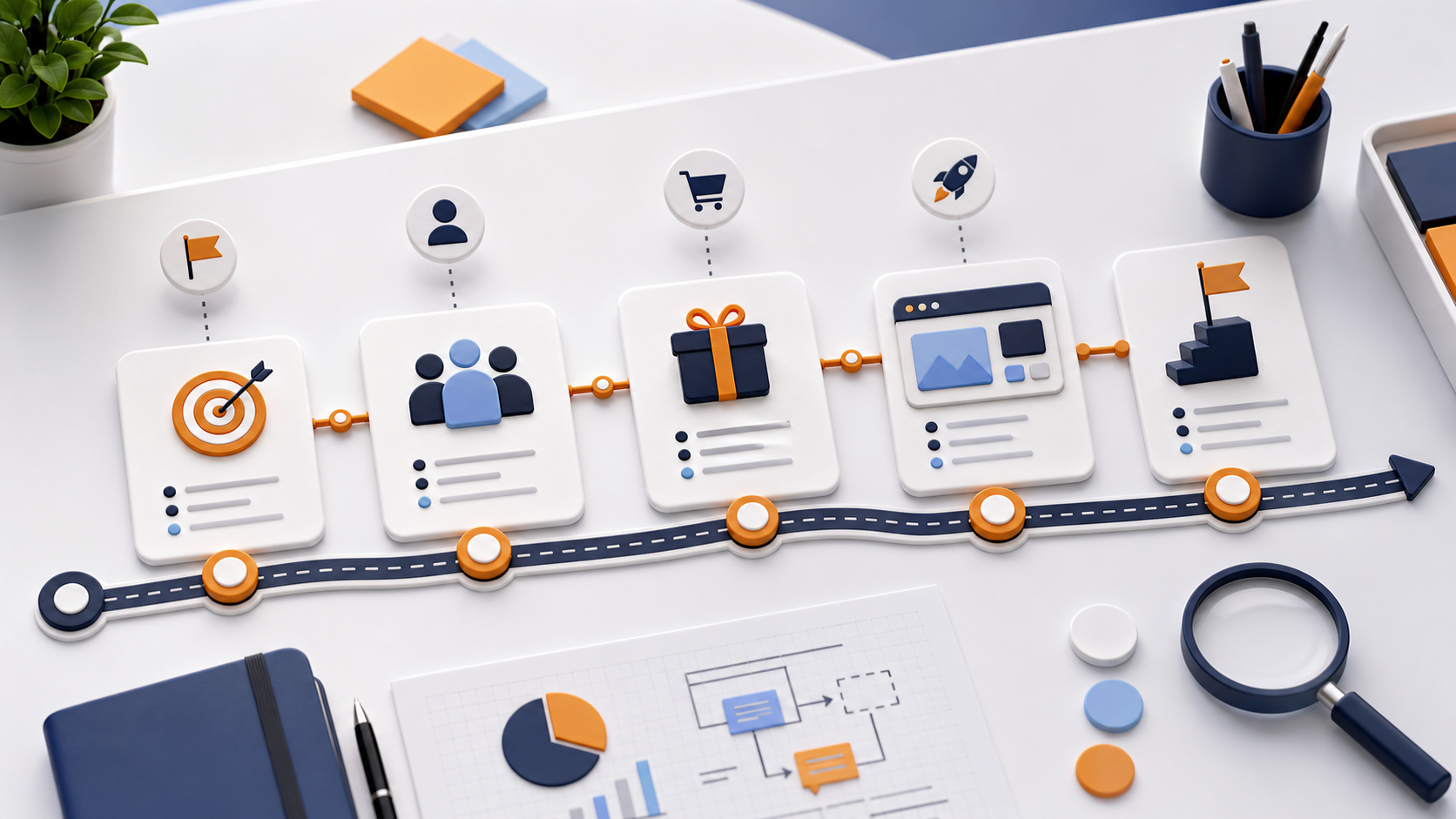
AI works well when the task and success criteria are clear. It can compare page structures, suggest interview questions, list risks, simplify text, or explain a complex idea in plain language.
The limit starts when the answer affects money, safety, reputation, or legal duties. In these areas AI can help prepare the work, but an experienced person must review the final result.
How to use AI without fooling yourself
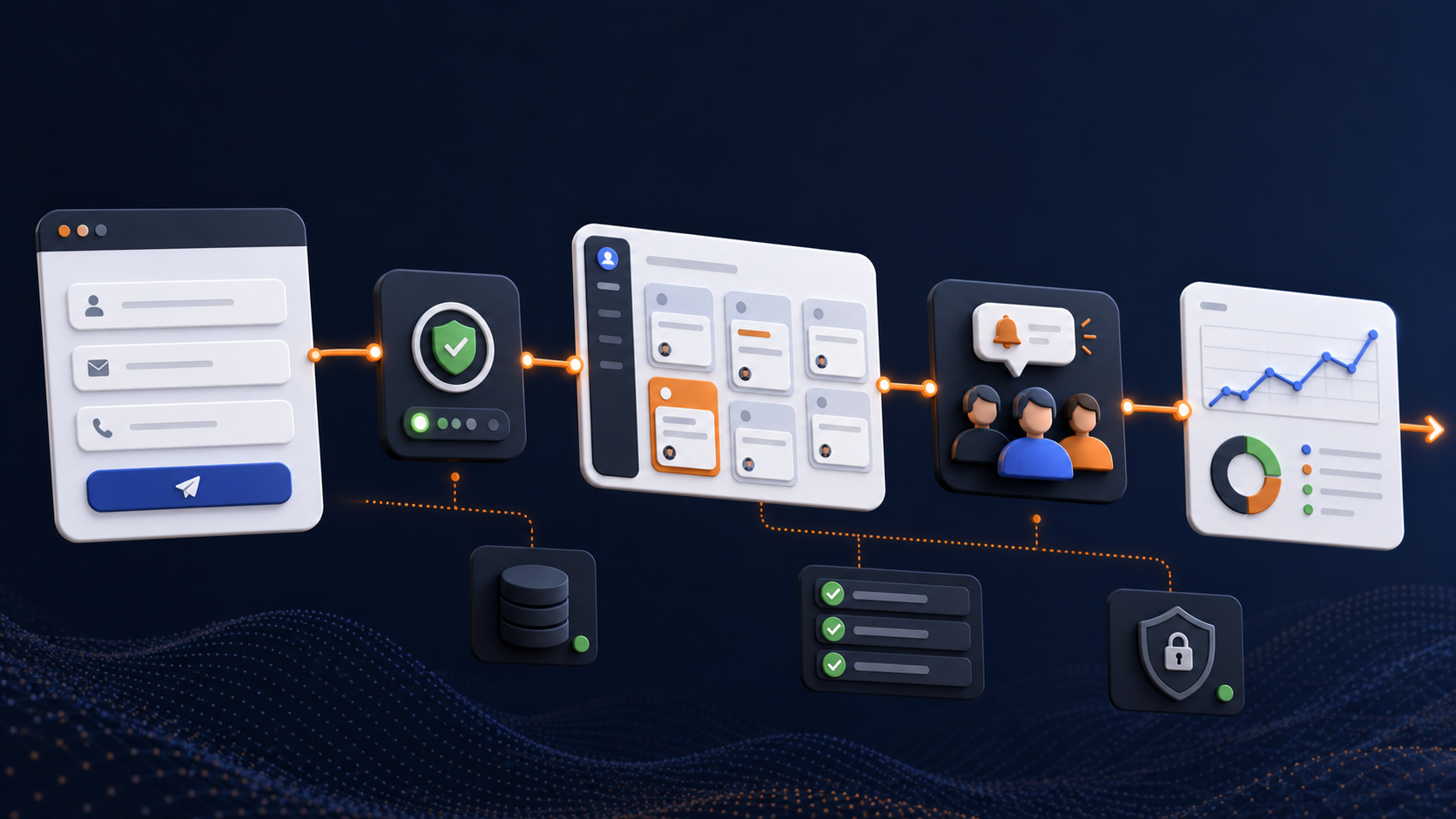
A practical flow is simple: define the task, provide context, ask for several options, then check the weak points. One prompt rarely gives a final answer. Good AI work is a dialogue: clarify, compare, remove noise, check facts, and only then apply the result.
In skilled hands AI gives speed. In unskilled hands it gives confident text that may still be wrong. The real skill is knowing when to trust it and when to stop and verify.
What changes for business
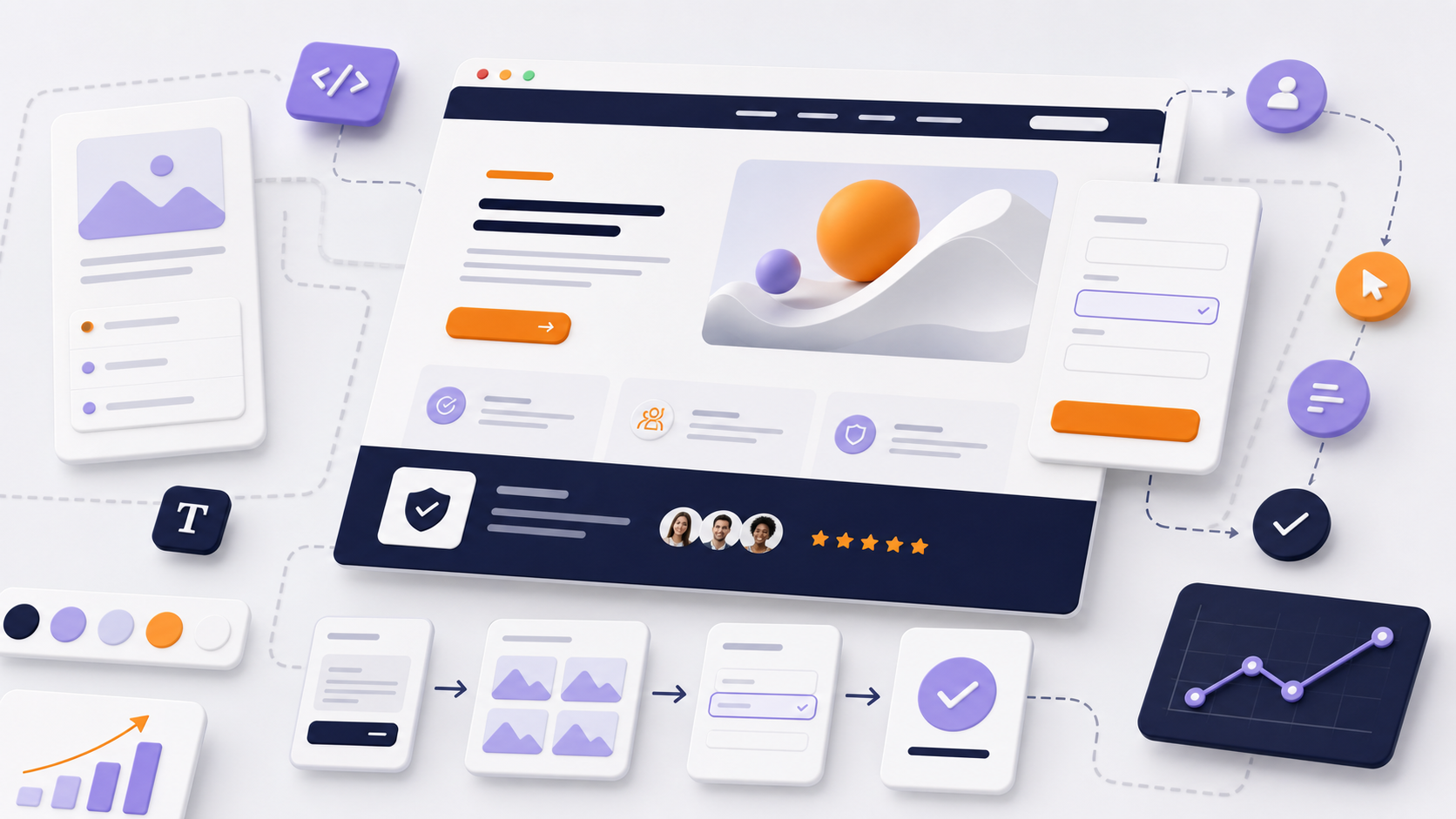
A business should not treat AI as a fashionable button. It is better to treat it as a way to move faster from a question to a checked decision. It can help prepare a proposal outline, draft an email, compare launch scenarios, review customer feedback, or find repeated questions in requests.
The strongest value appears when the company already has clear processes. If the team knows which data can be used, who reviews the result, and where the final version is stored, AI speeds up work. If there is no order, it only creates chaos faster: more drafts, more weak conclusions, and more work to recheck.
That is why adoption should start with a few calm use cases, not with a promise to automate everything. For example: article structure, first review of interview notes, checking whether text is easy to understand, risk lists before release, or comparing ideas for an ad message. These tasks are easy to evaluate and safe to improve.
- Choose tasks where a mistake will not break the business
- Assign a person who reviews the answer
- Store good prompts and examples of good output
Risks that need attention
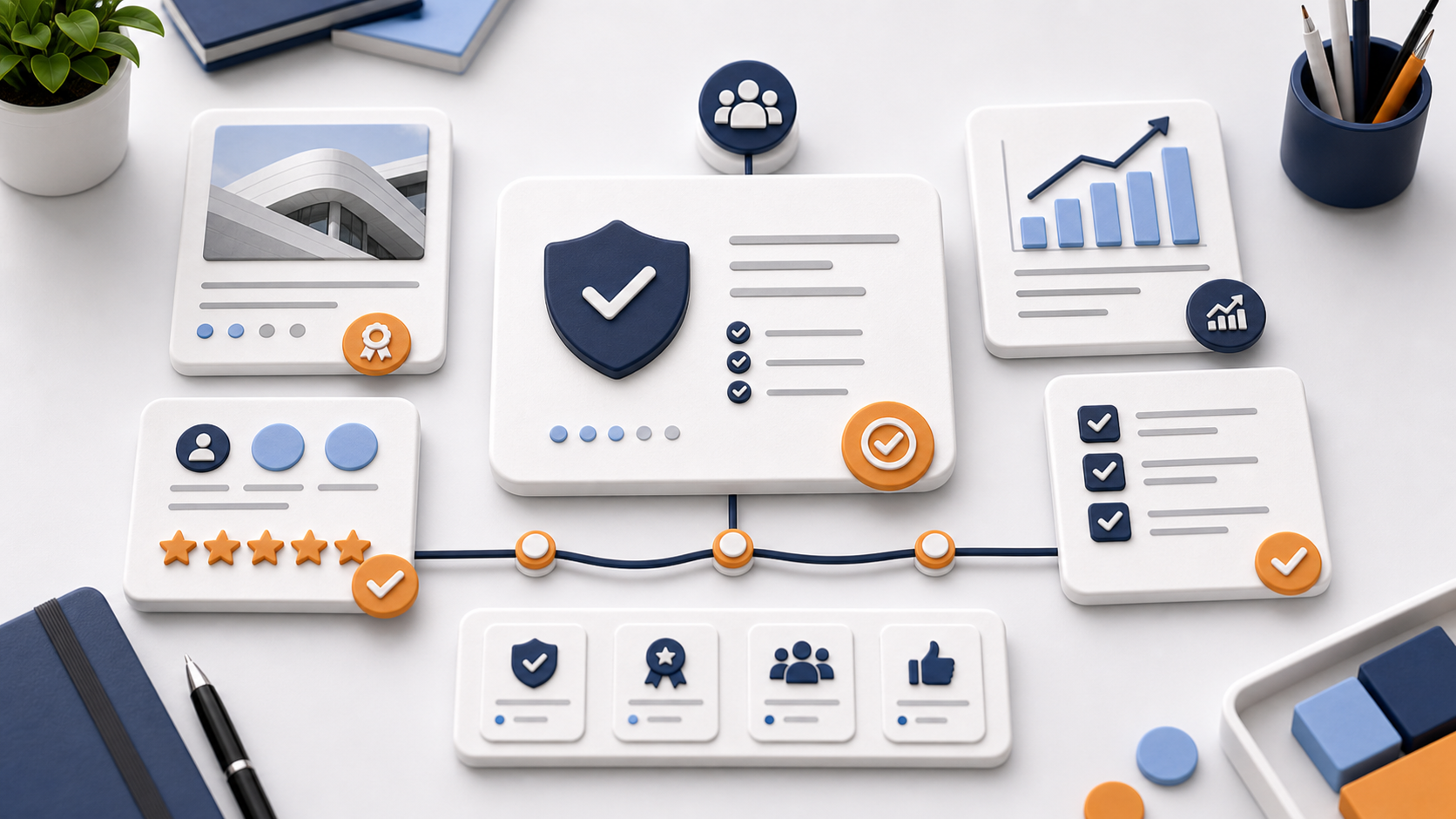
The first risk is a confident mistake. AI can explain something beautifully even when it does not really know. It can invent a fact, retell a document incorrectly, or miss an important limitation. Numbers, client promises, legal text, and technical conclusions need separate review.
The second risk is leaking context. Personal data, commercial terms, internal access, contracts, and private documents should not be pasted into external tools without rules. Teams need to decide what can be uploaded, what must be anonymized, which tools are allowed, and who is responsible.
The third risk is losing independent thinking. If a team gets used to taking the first answer without challenge, decision quality drops. AI should widen the choice, not replace the specialist’s judgment. A useful question is: “What is useful here, what is doubtful, what can we check, and what should we ignore?”
How to add AI without noise
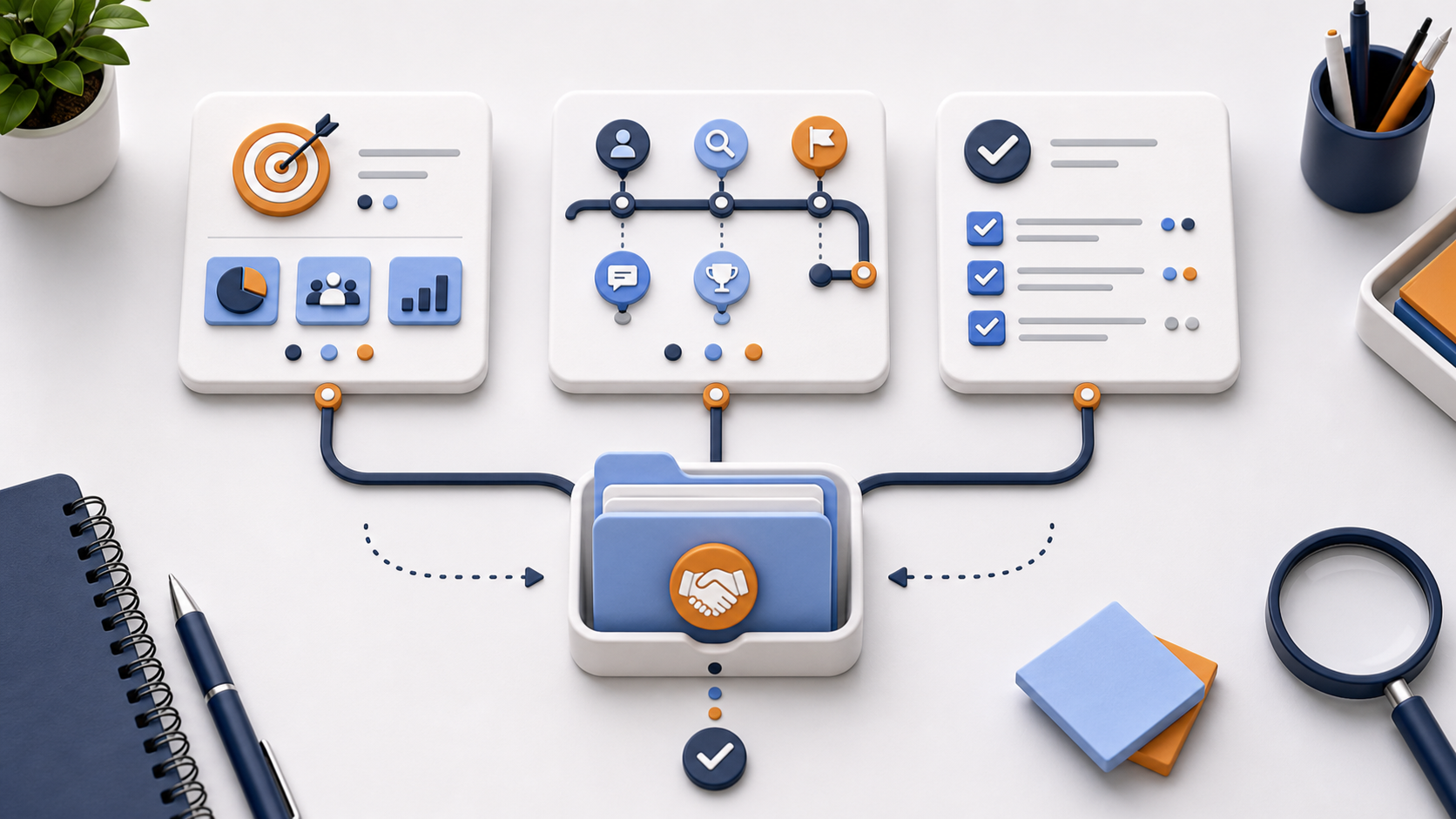
A working approach starts with a map of tasks. The team lists repeated actions: emails, summaries, competitor review, instruction drafts, request analysis, and text checks. Then it chooses the tasks where AI can help quickly and safely.
Each task needs a simple template: goal, input data, limits, answer format, and review rules. This template is more important than a long list of tools. It helps the team get stable results and teach new people without long explanations.
It is also useful to keep a small library of examples. Store good prompts, bad answers, improved versions, and notes on why the improved version is better. After a month this becomes company knowledge, not a pile of random experiments.
Conclusion
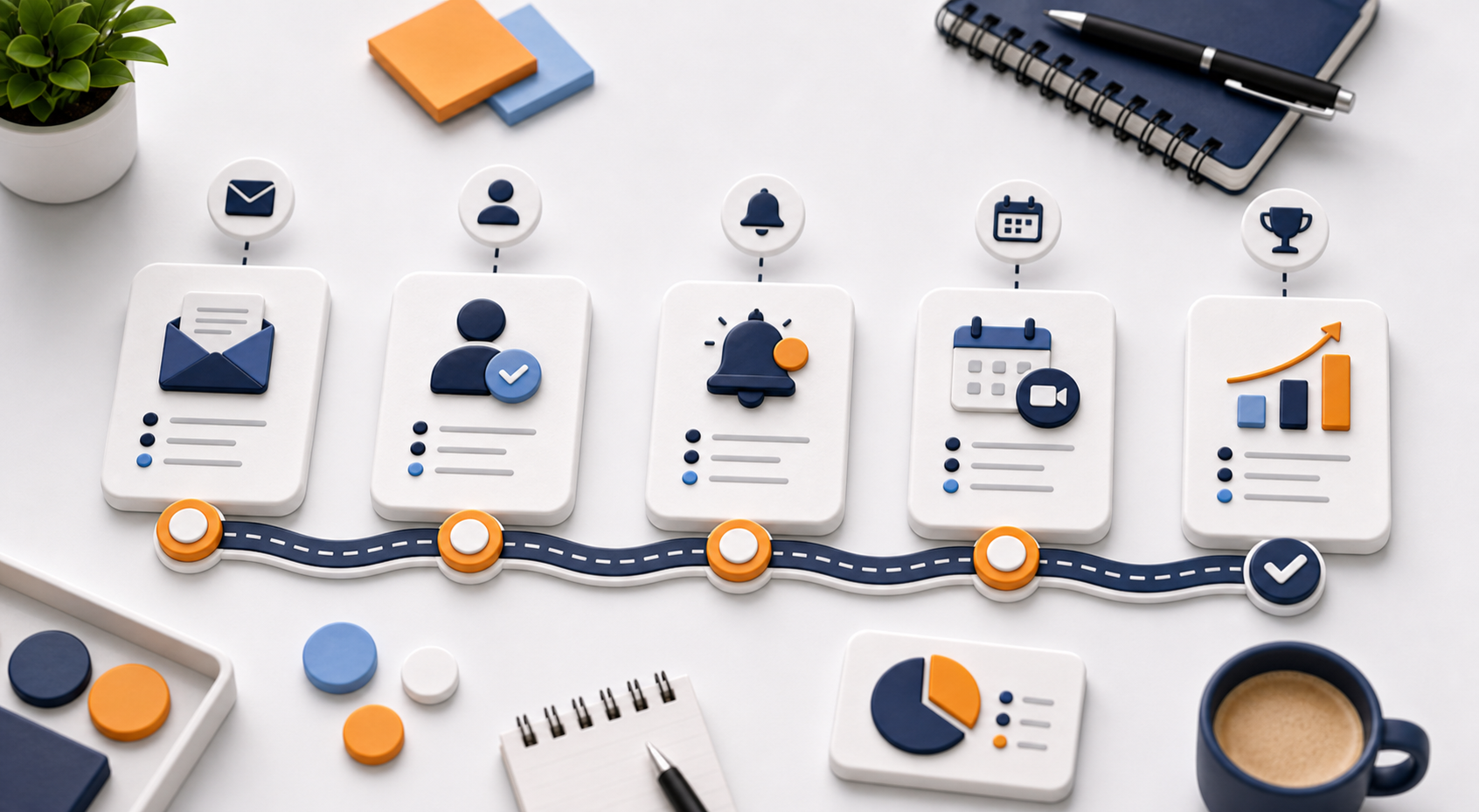
AI is already part of the market, and ignoring it is becoming harder. But a mature approach is not about replacing people or believing every answer. A mature approach is using AI where it speeds up preparation, widens the choice, and helps find weak points.
In skilled hands, the tool strengthens the specialist. It does not replace experience, responsibility, taste, customer knowledge, or the ability to decide. The winners are not the teams that simply connected a new service. The winners are the teams that learned to ask clear questions, review the result, and use AI within clear limits.